A Complete Long-Term Shoe Storage Guide
Shoes that are not worn for several weeks or months can deteriorate even while sitting inside a cupboard. Humidity, trapped moisture, dust, heat and poor ventilation can lead to mould, unpleasant odour, yellowing, cracked leather and loss of shape.
This is especially relevant in India, where seasonal humidity and monsoon conditions can make closed shoe cabinets particularly damp.
Whether you are storing premium sneakers, leather formals, boots, sports shoes or seasonal footwear, simply placing them inside a box is not enough.
The shoes should be cleaned, dried, protected and stored correctly before they are left unused.
This Helios guide explains how to prepare footwear for long-term storage and keep your collection cleaner, fresher and better protected.
1. Why Shoes Get Damaged During Storage
Footwear can deteriorate even when it is not being worn.
Common storage-related problems include:
-
Mould and fungal growth
-
Musty odour
-
Dust accumulation
-
Yellowing of white soles
-
Dry and cracked leather
-
Peeling synthetic leather
-
Flattened or deformed uppers
-
Deep creases
-
Moisture trapped inside insoles
-
Colour fading from sunlight
Most of these problems develop because shoes are stored without first being properly cleaned and dried.
Long-term storage should therefore begin with preparation.
2. Never Store Dirty Shoes
One of the biggest mistakes is placing worn shoes directly inside a cupboard or box.
Shoes can carry:
-
Road dust
-
Mud
-
Sweat
-
Body oils
-
Food stains
-
Pollution
-
Moisture
When these remain on footwear for months, stains can become harder to remove and odour may become stronger.
Before storing any pair for a long period, clean it according to its material.
3. Clean the Shoes According to Their Material
Different shoe materials need different cleaning methods.
Sneakers
Use a suitable sneaker cleaner, soft brush and microfiber cloth.
Pay attention to:
-
Toe box
-
Side panels
-
Tongue
-
Midsoles
-
Heel
-
Outsole edges
Leather shoes
Brush away dust before wiping the surface.
Where appropriate:
-
Clean the leather.
-
Let it dry.
-
Apply a suitable leather cream.
-
Buff gently.
This helps prevent leather from becoming excessively dry during storage.
Suede and nubuck
Use a suitable suede or nubuck brush.
Avoid soaking the material or applying regular leather polish.
Mesh and fabric footwear
Use a soft brush and controlled moisture.
Avoid soaking because moisture trapped inside fabric can take a long time to dry.
Whatever the material, the footwear must be completely clean before long-term storage.
4. Clean the Soles Before Storage
Soles are often forgotten because they are not visible inside the cabinet.
However, dirty outsoles can carry:
-
Mud
-
Stones
-
Road grime
-
Grass
-
Sticky residue
Before storage:
-
Brush the outsole
-
Remove trapped stones
-
Clean visible mud
-
Wipe the midsole
-
Allow everything to dry
This also prevents dirt from transferring to storage boxes and other shoes.
5. Dry Shoes Completely
This is one of the most important steps.
Even slightly damp shoes should never be placed inside closed storage for several months.
Moisture may remain in:
-
Insoles
-
Toe box
-
Lining
-
Tongue
-
Foam cushioning
-
Fabric uppers
Correct drying method
After cleaning:
-
Remove removable insoles.
-
Loosen the laces.
-
Open the tongue.
-
Stuff the shoes lightly with absorbent paper if required.
-
Keep them in a shaded, ventilated area.
-
Allow sufficient time for complete drying.
Do not rush this process.
A shoe that feels dry on the outside may still contain moisture internally.
6. Avoid Direct Sunlight When Drying
Strong sunlight may dry shoes quickly, but it can also contribute to:
Instead, dry shoes in shade with good airflow.
Natural ventilation is generally safer than intense heat.
7. Remove Odour Before Storage
Do not store footwear that already smells unpleasant.
Odour can become stronger when shoes remain closed for several months.
Before storage:
Deodorizer should be used after drying, not as a replacement for drying.
8. Check the Insoles
Insoles can retain sweat and odour even when the rest of the shoe looks clean.
Inspect them before storage.
Consider replacing the insoles if they are:
-
Permanently smelly
-
Flattened
-
Torn
-
Peeling
-
Heavily stained
-
Uncomfortable
Clean or fresh insoles help ensure the shoes are ready to wear when removed from storage later.
9. Protect Leather Before Long-Term Storage
Natural leather can lose moisture while sitting unused.
Before storing suitable leather shoes:
-
Remove dust.
-
Clean the leather.
-
Allow it to dry.
-
Apply a small amount of suitable leather cream.
-
Let the product absorb.
-
Buff gently if necessary.
Do not apply excessive amounts.
A light conditioning treatment can help keep appropriate leather flexible during storage.
10. Protect Shoes From Moisture and Stains
For compatible materials, applying a suitable water and stain repellent spray before storage can provide an additional protective layer.
Apply it only after cleaning.
Basic method
-
Make sure the shoe is clean.
-
Ensure it is completely dry.
-
Test the spray on a small hidden area.
-
Apply a light, even coat.
-
Allow it to dry fully.
-
Store only after the product has dried.
Always check material compatibility before applying any protector.
11. Use Shoe Trees or Shoe Shapers
Footwear can lose its original shape when left unused for months.
Shoe trees or suitable shapers can help support:
-
Toe box
-
Side structure
-
Heel
-
Leather upper
They can also reduce deep creasing.
This is particularly useful for:
-
Leather formal shoes
-
Loafers
-
Premium sneakers
-
Boots
If you do not have shoe trees, clean acid-free tissue or appropriate shoe-stuffing material can help maintain shape.
Avoid overstuffing because excessive pressure can stretch the footwear.
12. Do Not Use Newspaper for Premium Shoes
Newspaper is commonly used for stuffing shoes because it is inexpensive.
However, printed ink may transfer onto light-coloured linings or materials, especially if moisture is present.
For premium or light-coloured footwear, use clean, unprinted absorbent paper or suitable shoe shapers instead.
13. Choose the Right Storage Location
Where you store footwear matters as much as how you store it.
The ideal storage area should be:
Avoid leaving expensive footwear permanently in:
Choose a stable indoor environment whenever possible.
14. How To Protect Shoes From Humidity
Humidity is one of the biggest threats to stored footwear.
High humidity can encourage mould and musty odour.
To reduce the problem:
-
Make sure shoes are completely dry before storage
-
Avoid overcrowding the cabinet
-
Allow some airflow
-
Check storage during humid months
-
Keep damp footwear separate
-
Avoid storing shoes directly against wet walls
Moisture-control products may also be useful inside suitable storage spaces, but they should not come into direct contact with footwear unless designed for that purpose.
15. Do Not Seal Damp Shoes in Plastic Bags
Plastic bags restrict airflow.
If even a small amount of moisture is trapped inside, the environment can become ideal for mould and unpleasant odour.
Plastic can also cause issues for some materials during long-term storage.
Instead, consider:
The footwear itself must always be dry first.
16. How To Prevent Mould on Stored Shoes
Mould generally needs moisture and suitable conditions to grow.
The best prevention strategy is therefore moisture control.
Before storage:
During long-term storage:
-
Inspect footwear periodically
-
Check for dampness
-
Keep the cabinet ventilated
-
Address any moisture problem immediately
Do not ignore small mould spots. They can spread if storage conditions remain damp.
17. How To Reduce Yellowing of White Sneakers
White sneakers and midsoles can gradually become yellow during storage.
Possible causes include:
-
Oxidation
-
Heat
-
UV exposure
-
Age
-
Chemical residues
-
Poor storage
To reduce avoidable yellowing:
-
Clean shoes before storage
-
Remove cleaning residue properly
-
Dry away from strong sunlight
-
Store in a cool location
-
Keep footwear away from heat
-
Avoid bleach
-
Keep shoes protected from dust
Some natural ageing may still occur, but correct storage can help slow unnecessary discolouration.
18. Store Sneakers Without Crushing Them
Sneakers can lose their shape if several pairs are stacked together.
Avoid:
Structured storage helps each pair maintain its shape.
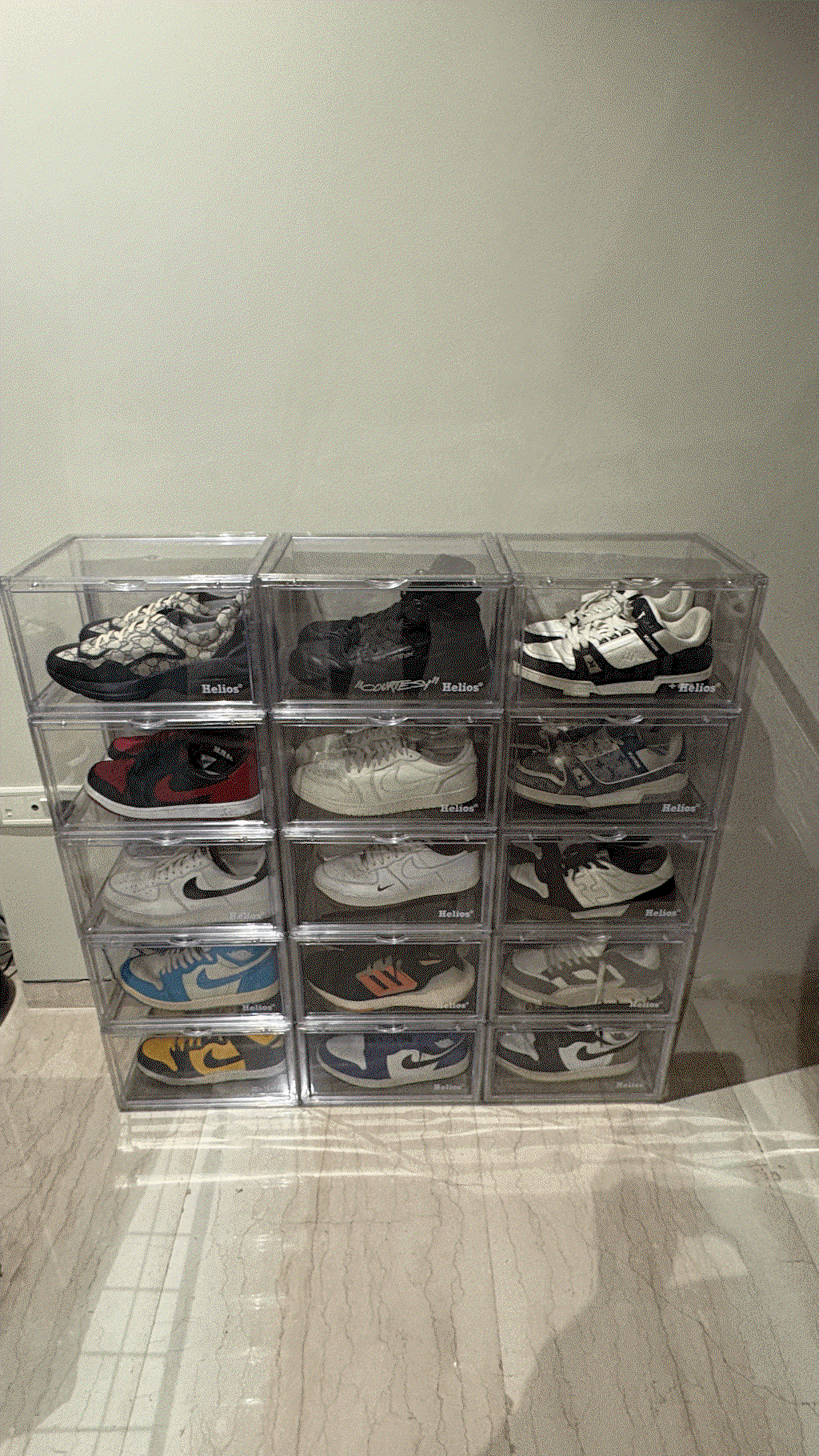
Helios Abode Sneaker Storage Boxes can help keep clean and completely dry sneakers individually organised while protecting them from dust and accidental pressure.
19. How To Store Leather Formal Shoes
Formal leather footwear benefits from additional structure.
Before storage:
Do not allow leather shoes to remain pressed tightly against each other for months.
Proper spacing helps maintain their shape and finish.
20. How To Store Suede Shoes
Suede requires protection from both moisture and dust.
Before storing:
-
Brush the suede
-
Remove visible marks
-
Make sure the material is dry
-
Apply a suitable protector if required
-
Store away from damp conditions
Avoid wrapping suede tightly in plastic.
A breathable storage solution is generally preferable.
21. How To Store Sports and Running Shoes
Sports footwear often contains more trapped sweat than casual shoes.
Before long-term storage:
-
Remove insoles.
-
Air the shoes thoroughly.
-
Clean the upper.
-
Clean the outsole.
-
Dry everything separately.
-
Deodorize after drying.
-
Reinsert clean insoles.
-
Store in a dry location.
Never place running shoes directly into storage after the final workout of the season.
22. Rotate Shoes Even During Storage
If you own a large footwear collection, inspect stored pairs periodically.
Every few weeks or months:
This takes only a few minutes and can help you identify storage problems before they become serious.
23. What To Do When Taking Shoes Out of Storage
Do not immediately wear a pair that has been stored for several months.
First:
-
Inspect the upper.
-
Check for mould or moisture.
-
Smell the interior for musty odour.
-
Inspect the outsole.
-
Check adhesives and stitching.
-
Air the shoes.
-
Brush away any surface dust.
For leather footwear, check whether the material feels unusually dry.
For sneakers and sports shoes, inspect cushioning and bonding before extended use.
24. Common Long-Term Shoe Storage Mistakes
Avoid these habits:
-
Storing dirty footwear
-
Putting damp shoes into boxes
-
Keeping sweaty insoles inside
-
Sealing wet footwear in plastic
-
Stacking heavy shoes on sneakers
-
Leaving shoes in direct sunlight
-
Using excessive heat for drying
-
Ignoring humidity
-
Never inspecting stored footwear
-
Keeping shoes against damp walls
-
Overcrowding cabinets
A little preparation before storage can prevent many avoidable problems.
25. Long-Term Shoe Storage Checklist
Before storage
-
Clean the upper
-
Clean midsoles and outsoles
-
Remove mud and stones
-
Air the shoes
-
Dry completely
-
Clean or replace insoles
-
Deodorize
-
Condition suitable leather
-
Apply suitable protection
-
Insert shoe trees or shapers
During storage
Before wearing again
-
Check for mould
-
Air the footwear
-
Inspect soles and glue
-
Brush away dust
-
Check insoles
-
Clean if necessary
Following this routine helps footwear remain ready for use even after several months in storage.
Why Helios Is Useful for Long-Term Shoe Storage
A complete Helios-style storage and shoe care setup can include:
-
Shoe and sneaker cleaners
-
Cleaning brushes
-
Microfiber cloths
-
Leather care products
-
Water and stain repellent sprays
-
Shoe deodorizers
-
Comfort insoles
-
Sneaker storage solutions
-
Footwear care accessories
The complete process is simple:
Clean → Dry → Freshen → Protect → Shape → Store → Inspect
Long-term shoe care is less about frequent cleaning and more about ensuring footwear enters storage in the right condition.
Final Thoughts
Shoes do not stop ageing simply because they are not being worn.
Dust, moisture, humidity, heat and poor storage can damage footwear while it sits untouched inside a cupboard for months.
The safest approach is straightforward:
Clean every pair before storage. Make sure it is completely dry. Remove odour. Maintain the shape. Protect appropriate materials. Choose a cool, dry storage area and inspect the collection periodically.
With a consistent Helios-style storage routine, sneakers, leather shoes, sports footwear and seasonal pairs can remain cleaner, fresher and better protected until you are ready to wear them again.
Shop Helios Shoe Storage & Care Essentials
Explore shoe cleaners, brushes, microfiber cloths, protect sprays, deodorizers, insoles, sneaker storage solutions and footwear care accessories.
Website: Visit Website
All Products: All Products
Follow Helios India
Contact Helios India
Helios Global Private Limited
Plot No. 95 & 96, HSIIDC, Sector-56, Phase-4,
Kundli Industrial Area, Sonipat – 131028, Haryana, India
Phone: 1800114252
Email: care@heliosindia.com
 Customized Helios Abode Sneaker Storage Box (Side Drop)
Rs. 5,599.00
Customized Helios Abode Sneaker Storage Box (Side Drop)
Rs. 5,599.00