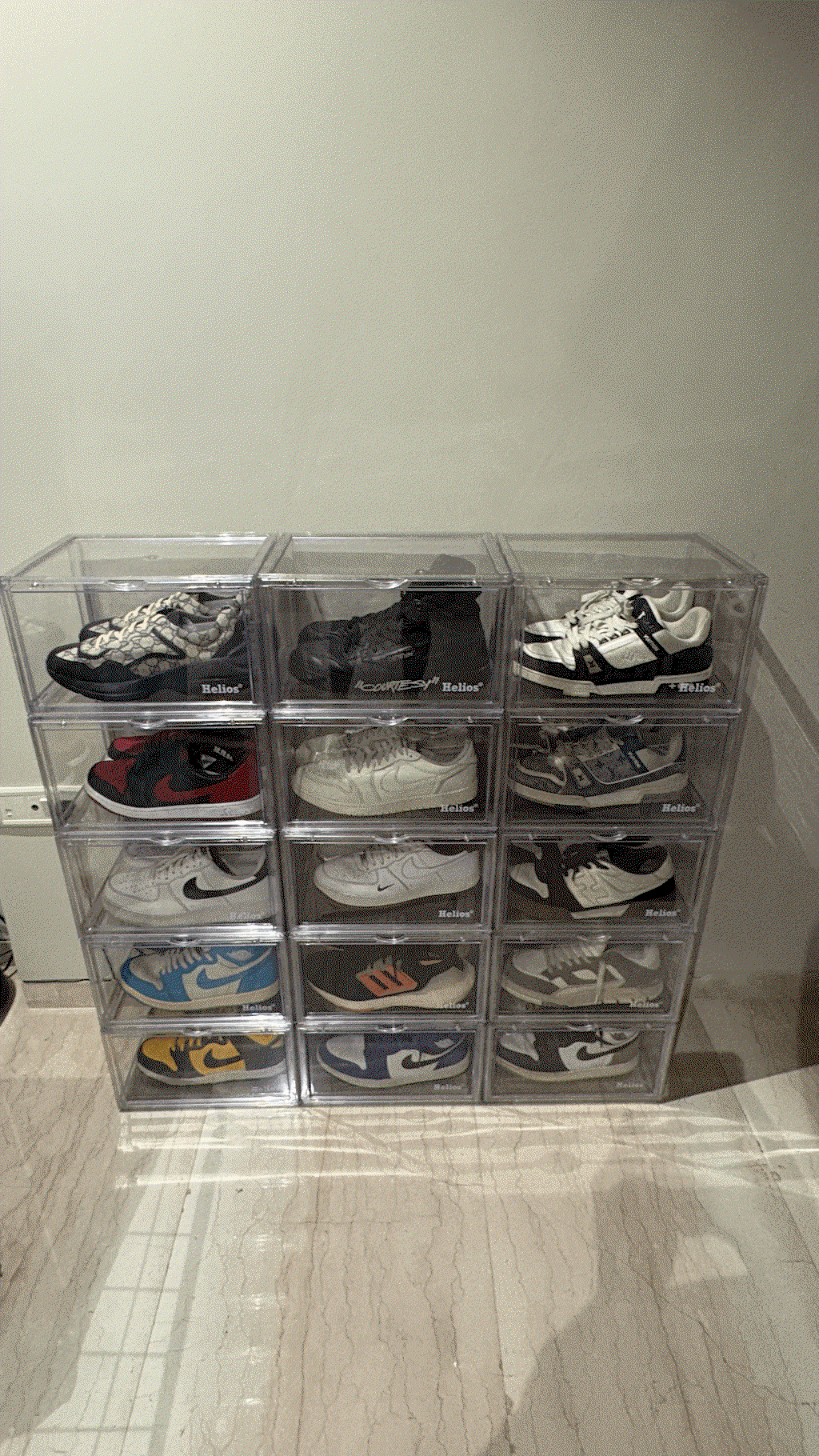
Humidity can quietly damage footwear even when your shoes are not visibly wet. In warm and humid conditions, moisture gets trapped inside shoe cabinets, boxes, insoles and linings, creating the perfect environment for musty odour, mould and fungus.
This problem is especially common during monsoon and in coastal or high-humidity regions.
The good news is that most humidity-related shoe damage can be reduced with a simple routine involving cleaning, drying, ventilation and proper storage.
Here is a practical Helios guide to keeping your footwear fresh and protected.
Why Humidity Is Bad for Shoes
Excess moisture can affect almost every type of footwear.
It may lead to:
Closed cabinets make the problem worse because moisture has nowhere to escape.
1. Never Store Damp Shoes
The most important rule is simple:
Never put damp shoes directly into a closed cupboard or box.
After wearing shoes in humid or rainy weather:
-
Remove loose dirt.
-
Take out removable insoles.
-
Open the tongue and loosen the laces.
-
Keep the shoes in a ventilated area.
-
Allow them to dry completely before storage.
Even if the upper feels dry, the lining and insole may still contain moisture.
2. Air Shoes After Every Wear
Daily footwear absorbs sweat even when it has not been exposed to rain.
After long hours of use, especially with sneakers, office shoes or sports shoes:
-
Keep them outside the cabinet for some time
-
Remove insoles if they feel damp
-
Avoid wearing the same pair every day
-
Let the inside ventilate naturally
Rotating between two or more pairs allows each shoe more time to dry between wears.
3. Clean Shoes Before Dirt and Moisture Combine
Dust and moisture together can create stubborn stains and unpleasant smells.
Use the correct cleaning method according to the material.
Sneakers and synthetic shoes
Use a suitable Helios shoe or sneaker cleaner with a soft brush and microfiber cloth.
Leather shoes
Brush away dust, wipe gently and use a suitable leather care product when required.
Suede and nubuck
Allow the material to dry first, then use a dedicated brush or eraser.
Do not store dirty shoes for long periods during humid weather.
4. Use Shoe Deodorizer for Freshness
Humidity and sweat can quickly make footwear smell unpleasant.
After the shoes have dried:
-
Apply Helios shoe deodorizer inside
-
Let the footwear remain open for a while
-
Avoid immediately closing freshly sprayed shoes inside a cabinet
Deodorizer helps maintain freshness, but it should never replace proper drying.
If an insole continues to smell after airing and cleaning, replacing it may be the better option.
5. Keep Shoe Cabinets Dry and Ventilated
Your storage area matters just as much as your cleaning routine.
Avoid storing footwear:
A good shoe-storage area should be:
Avoid packing shoes too tightly together. A little space helps air circulate.
6. Protect Leather From Humid Weather
Leather can absorb moisture from the environment and may lose its finish if neglected.
For leather footwear:
-
Brush away dust regularly.
-
Let damp shoes dry naturally.
-
Apply a suitable leather cream when the material feels dry.
-
Keep shoes away from direct heat.
-
Store only when completely dry.
Do not use a hairdryer or heater to speed up the process. Excessive heat can make leather stiff or cracked.
7. Take Extra Care of Suede and Nubuck
Suede and nubuck require special attention in humid conditions.
If they become damp:
-
Let them dry naturally
-
Do not rub the wet surface aggressively
-
Brush only after drying
-
Use a suitable suede or nubuck brush
-
Apply a compatible water and stain repellent spray where appropriate
Avoid keeping suede shoes inside plastic bags because trapped moisture can affect the texture.
8. Use Water and Stain Protection Before Humid Weather
A suitable water and stain repellent spray can provide additional protection for compatible footwear.
Apply it before exposure to rainy or humid conditions.
Basic method
-
Clean the shoes.
-
Dry them completely.
-
Test the product on a hidden area.
-
Apply a light, even coat.
-
Let the shoes dry before wearing.
This may help reduce moisture absorption and make future cleaning easier.
Remember that a protector spray does not make every shoe completely waterproof.
9. Watch for Early Signs of Mould
Check footwear regularly during humid months.
Look for:
-
White or greenish spots
-
Musty smell
-
Damp lining
-
Unusual surface patches
-
Discolouration
If you notice mould, separate the affected pair from the rest of your collection and clean it according to the material.
Do not simply brush mould off and place the shoes back in the same damp cabinet. The storage environment also needs attention.
10. Build a Simple Humidity-Proof Shoe Care Routine
You do not need an elaborate routine.
After wearing
-
Brush away dust
-
Air the shoes
-
Remove damp insoles
-
Allow moisture to escape
When needed
Before storage
-
Make sure shoes are completely dry
-
Keep pairs organised
-
Avoid crushing or overcrowding
-
Check the cabinet for dampness
This simple routine can make a significant difference during humid weather.
Common Mistakes To Avoid
Avoid:
-
Storing wet shoes
-
Leaving sweaty shoes in gym bags
-
Sealing damp footwear in plastic
-
Drying shoes with heaters
-
Ignoring damp insoles
-
Keeping shoes against wet walls
-
Wearing the same damp pair every day
-
Storing dirty footwear for months
-
Ignoring early signs of mould
Humidity problems are much easier to prevent than to fix after serious damage has occurred.
Why Helios Is Useful for Humid Weather Shoe Care
A practical Helios-style humidity care setup can include:
-
Shoe and sneaker cleaners
-
Shoe brushes
-
Microfiber cloths
-
Leather care products
-
Water and stain repellent sprays
-
Shoe deodorizers
-
Comfort insoles
-
Sneaker storage solutions
-
Footwear care accessories
The basic routine is:
Clean → Dry → Freshen → Protect → Store
Following these steps consistently helps keep footwear cleaner and fresher throughout humid weather.
Final Thoughts
Humidity can damage shoes slowly, often without obvious warning.
The best protection is not complicated:
Keep shoes clean. Let them dry completely. Air them after use. Control odour. Protect suitable materials and store footwear in a dry, ventilated place.
With regular Helios-style care, sneakers, leather shoes, formal footwear and everyday pairs can stay fresher and better protected even during humid weather.
Shop Helios Shoe Care Essentials
Explore Helios shoe cleaners, brushes, microfiber cloths, protect sprays, deodorizers, insoles, storage solutions and footwear care accessories.
Website: Visit Website
All Products: All Products
Follow Helios India
Contact Helios India
Helios Global Private Limited
Plot No. 95 & 96, HSIIDC, Sector-56, Phase-4,
Kundli Industrial Area, Sonipat – 131028, Haryana, India
Phone: 1800114252
Email: care@heliosindia.com
 Customized Helios Abode Sneaker Storage Box (Side Drop)
Rs. 5,599.00
Customized Helios Abode Sneaker Storage Box (Side Drop)
Rs. 5,599.00