Synthetic leather shoes are popular because they offer a smart leather-like appearance while remaining practical for everyday wear. They are commonly used in office shoes, sneakers, school shoes, loafers and casual footwear.
But synthetic leather has one major weakness: once the outer coating begins to crack or peel, restoring the original finish can be difficult.
The wrong cleaning method can accelerate this damage. Harsh detergent, excessive water, aggressive scrubbing, direct sunlight and unsuitable leather products can all shorten the life of synthetic footwear.
The good news is that synthetic leather is relatively easy to maintain when you follow the right routine.
This guide explains how to clean synthetic leather shoes safely, remove everyday stains and scuffs, reduce the risk of peeling, control odour and store your footwear correctly using a practical Helios-style care routine.
1. What Is Synthetic Leather?
Synthetic leather is a man-made material designed to imitate the appearance of natural leather.
Depending on the shoe, it may be labelled as:
-
Faux leather
-
PU leather
-
Vegan leather
-
Artificial leather
-
Synthetic leather
It usually consists of a fabric base covered with a synthetic surface coating.
This construction gives synthetic footwear a smooth appearance, but it also means the outer layer can eventually:
Good maintenance focuses on protecting this outer coating.
2. Why Synthetic Leather Shoes Start Peeling
Peeling does not usually happen because the shoes are dirty. It develops when the surface coating begins breaking down.
Common causes include:
Excessive heat
Strong sunlight, heaters and hot storage environments can dry and weaken synthetic coatings.
Too much moisture
Repeated soaking can affect the layers underneath the synthetic surface.
Harsh chemicals
Strong detergents, alcohol-based cleaners and household chemicals may damage the finish.
Heavy friction
Aggressive scrubbing gradually wears down the protective coating.
Poor storage
Shoes pressed underneath heavier footwear may crease excessively and eventually crack.
Natural ageing
Synthetic leather will eventually deteriorate, but correct maintenance can help slow unnecessary damage.
3. What Not To Use on Synthetic Leather Shoes
Avoid experimenting with aggressive household products.
Do not use:
These may remove dirt quickly but can also remove or weaken the surface finish.
Gentle cleaning is much safer.
4. What You Need To Clean Synthetic Leather Shoes
A simple care setup can include:
-
Soft shoe brush
-
Microfiber cloth
-
Suitable Helios shoe cleaner
-
Small amount of clean water
-
Separate brush for midsoles and outsoles
-
Shoe deodorizer
-
Water and stain repellent spray where suitable
-
Shoe trees or shoe shapers
The objective is controlled cleaning rather than soaking.
5. Step 1: Remove Loose Dust
Always begin with dry cleaning.
Use a soft brush or microfiber cloth to remove dust from:
-
Toe box
-
Side panels
-
Heel
-
Tongue
-
Stitching
-
Sole edges
Dust can act like fine abrasive material when rubbed against the surface.
Removing it before wet cleaning reduces unnecessary friction.
6. Step 2: Remove Laces if Necessary
For sneakers, school shoes and lace-up synthetic footwear, removing the laces makes cleaning easier.
This allows you to reach:
If the laces are dirty, clean them separately and let them dry before putting them back.
7. Step 3: Clean With Controlled Moisture
Synthetic leather generally does not require large amounts of water.
Cleaning method
-
Lightly dampen a microfiber cloth.
-
Apply a small amount of suitable shoe cleaner.
-
Work on one section at a time.
-
Wipe gently using small circular movements.
-
Remove loosened dirt with a clean section of the cloth.
-
Repeat gently if needed.
For textured synthetic leather, a soft brush can help remove dirt from the grain.
Avoid pressing aggressively.
8. How To Clean White Synthetic Leather Shoes
White synthetic shoes show dust and scuffs very quickly.
Focus particularly on:
-
Toe area
-
Side panels
-
Stitching
-
Heel
-
Sole edges
Clean marks early rather than waiting until the entire surface becomes dull.
Avoid bleach even on white footwear. It may damage the coating and can cause uneven discolouration.
Regular gentle cleaning is a better way to maintain brightness.
9. How To Remove Scuff Marks
Scuff marks commonly appear on synthetic leather shoes when they rub against:
-
Curbs
-
Furniture
-
Other shoes
-
Bike pedals
-
Stairs
-
Rough walls
For light scuffs
-
Remove surrounding dust.
-
Apply cleaner to a microfiber cloth.
-
Rub the scuff gently.
-
Wipe away residue.
-
Repeat if necessary.
Do not use excessive pressure.
If the colour coating itself has been scratched away, cleaning cannot restore the missing surface. The mark may require a suitable colour-restoration product or professional repair.
10. Clean Midsoles Separately
Many synthetic sneakers and casual shoes have rubber or foam midsoles that collect significantly more dirt than the upper.
Use a separate brush for:
-
White sidewalls
-
Heel edges
-
Toe edges
-
Rubber sections
You can use slightly firmer pressure on durable rubber than on synthetic leather.
Keep dirty midsole foam away from the upper while cleaning.
11. Clean the Outsole
The outsole can collect:
-
Dust
-
Mud
-
Small stones
-
Grass
-
Sticky residue
Remove dry debris first.
Then use a firmer outsole brush with shoe cleaner to clean the grooves.
Avoid soaking the entire shoe simply to clean the bottom.
12. How To Dry Synthetic Leather Shoes Correctly
Synthetic leather should be allowed to dry naturally.
After cleaning:
-
Wipe away excess moisture
-
Open the tongue if applicable
-
Remove wet insoles
-
Keep the shoes in a shaded, ventilated area
-
Allow them to dry fully
Avoid:
High temperatures can accelerate cracking and peeling.
13. Should You Use Leather Conditioner on Synthetic Leather?
This is an important distinction.
Products designed to penetrate and nourish genuine leather may not work the same way on synthetic surfaces because synthetic leather does not absorb conditioner like natural hide.
Using too much leather cream can leave synthetic footwear:
Always check whether a care product is specifically suitable for synthetic leather before applying it.
For routine maintenance, gentle cleaning and surface protection are usually more important.
14. How To Reduce the Risk of Peeling
Synthetic leather cannot be prevented from ageing forever, but several habits can help reduce unnecessary deterioration.
Keep shoes away from heat
Do not store them near:
-
Sunny windows
-
Heaters
-
Hot balconies
-
Car dashboards
Avoid excessive bending
Wear the correct size so the upper does not develop unnecessarily deep folds.
Rotate footwear
Wearing the same pair every day creates repeated stress in the same areas.
Use shoe trees or shapers
These help maintain the structure of suitable synthetic formal shoes and sneakers.
Clean regularly
Accumulated dirt can increase friction and surface wear.
Store correctly
Do not crush synthetic footwear underneath heavy boots or other shoes.
15. Protect Synthetic Shoes From Water and Stains
A suitable water and stain repellent spray may help reduce everyday staining and light moisture exposure.
Before application:
-
Clean the shoes.
-
Let them dry completely.
-
Test the product on a small hidden section.
-
Apply a light, even coat if compatible.
-
Allow it to dry before wearing.
A protector can make future cleaning easier, but it does not turn ordinary shoes into completely waterproof footwear.
16. What To Do if Synthetic Shoes Get Wet
If your shoes get caught in rain:
-
Wipe away surface water.
-
Remove mud gently.
-
Take out removable insoles.
-
Stuff the shoes lightly with absorbent paper.
-
Dry naturally in a ventilated area.
-
Avoid heat.
Do not store wet synthetic leather shoes immediately.
Trapped moisture can create odour and potentially affect the shoe structure.
17. How To Prevent Odour
Synthetic leather uppers may not absorb much sweat, but the internal lining and insoles certainly can.
To control odour:
-
Air shoes after every wear
-
Remove insoles occasionally
-
Wear clean socks
-
Use Helios shoe deodorizer
-
Let footwear dry before storage
-
Rotate between different pairs
-
Replace worn-out insoles
Never simply spray fragrance into wet or sweaty shoes and immediately close them in a cabinet.
Ventilation is essential.
18. Replace Insoles When Necessary
Old insoles can make otherwise good shoes uncomfortable.
Replace them when:
-
Cushioning feels flat
-
Odour remains after airing
-
The top fabric is damaged
-
Heel sections are compressed
-
Footwear feels less comfortable
Suitable Helios comfort or gel insoles may help refresh appropriate everyday shoes while improving cushioning.
Always ensure the new insole does not make the shoe too tight.
19. Synthetic Leather School Shoe Care
Synthetic leather is frequently used for school footwear because it is relatively easy to maintain.
A simple routine for parents and students:
Daily
-
Brush away dust
-
Air shoes after school
-
Wipe visible marks
Weekly
Periodically
Regular light maintenance can keep school footwear presentable without aggressive polishing.
20. Synthetic Leather Office Shoe Care
Synthetic office shoes can maintain a polished appearance with relatively little maintenance.
After work:
Before an important meeting:
Keeping the surface clean generally provides a more professional appearance than repeatedly applying unsuitable polish.
21. How To Store Synthetic Leather Shoes
Storage conditions can significantly affect synthetic footwear.
Best practices include:
-
Store in a cool, dry place
-
Keep away from direct sunlight
-
Allow shoes to dry before storage
-
Avoid plastic bags around damp shoes
-
Do not place heavy footwear on top
-
Use structured storage for premium pairs
-
Keep shoes clean before long-term storage
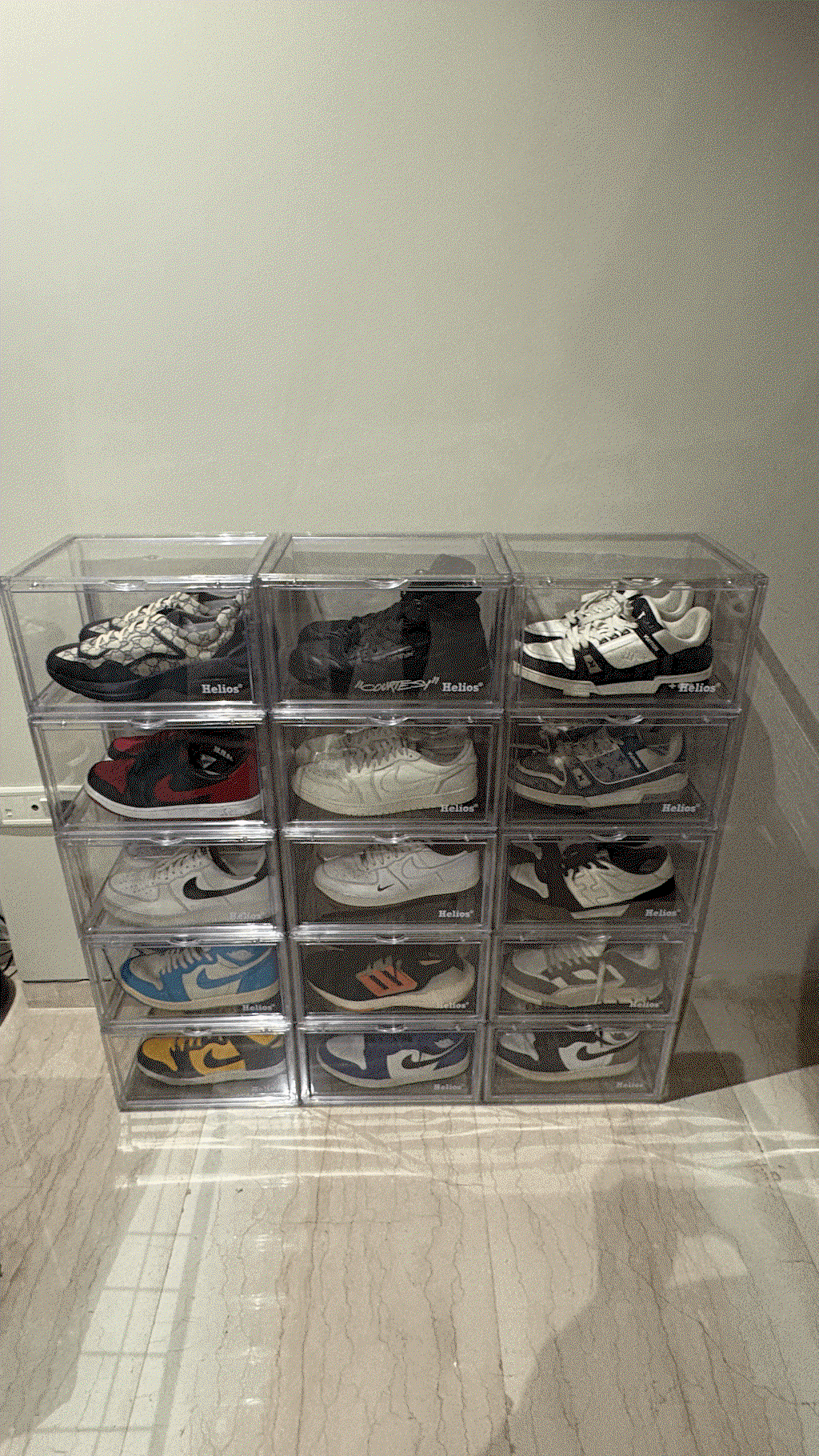
For sneaker collections, Helios Abode Sneaker Storage Boxes can help keep clean, completely dry pairs organised and protected from dust.
22. Common Synthetic Leather Care Mistakes
Avoid these habits:
-
Washing shoes in a machine
-
Soaking them in water
-
Using bleach
-
Cleaning with alcohol or acetone
-
Scrubbing with rough pads
-
Applying heavy leather cream without checking compatibility
-
Drying under direct heat
-
Storing shoes while damp
-
Crushing pairs in crowded racks
-
Ignoring early peeling
Once peeling has begun, prevention becomes much more difficult.
Early maintenance is therefore important.
23. Simple Synthetic Leather Shoe Care Checklist
After every wear
-
Remove dust
-
Wipe fresh stains
-
Air shoes before storage
Weekly
Periodically
-
Apply suitable protection if compatible
-
Inspect for cracks or peeling
-
Replace worn insoles
-
Organise shoes in clean, dry storage
Consistent light maintenance is the safest approach.
Why Helios Is Useful for Synthetic Footwear Care
A Helios-style synthetic shoe care setup can include:
-
Shoe and sneaker cleaners
-
Soft cleaning brushes
-
Microfiber cloths
-
Water and stain repellent sprays
-
Shoe deodorizers
-
Comfort and gel insoles
-
Sneaker storage solutions
-
Footwear care accessories
The maintenance process is straightforward:
Brush → Clean gently → Wipe → Dry → Freshen → Protect → Store
This routine helps reduce unnecessary stress on synthetic surfaces while keeping footwear clean and comfortable.
Final Thoughts
Synthetic leather shoes are easy to maintain when you avoid the cleaning habits that damage their surface coating.
Remember:
Do not soak them. Avoid harsh chemicals. Clean with controlled moisture. Keep them away from strong heat. Address scuffs early. Air the inside. Store without crushing the upper.
With consistent Helios-style care, synthetic leather sneakers, loafers, office shoes and school shoes can remain cleaner and presentable throughout their useful lifespan.
Shop Helios Shoe Care Essentials
Explore Helios shoe cleaners, brushes, microfiber cloths, protect sprays, deodorizers, insoles, storage solutions and footwear care accessories.
Website: Visit Website
All Products: All Products
Contact Helios India
Helios Global Private Limited
Plot No. 95 & 96, HSIIDC, Sector-56, Phase-4,
Kundli Industrial Area, Sonipat – 131028, Haryana, India
Phone: 1800114252
Email: care@heliosindia.com
 Customized Helios Abode Sneaker Storage Box (Side Drop)
Rs. 5,599.00
Customized Helios Abode Sneaker Storage Box (Side Drop)
Rs. 5,599.00