Why the Right Insoles Can Transform Your Everyday Comfort
Share
Most people think of shoe care as cleaning, polishing and protecting the outside of the shoe. But the reality is simple: if your feet hurt, you will not enjoy wearing even the best-looking pair.
That is where insoles come in. A good insole does much more than just add a soft layer. It supports your arch, absorbs shock, keeps your feet fresher and can even improve the way you walk and stand.
In this blog, let us explore why insoles are so important, how they affect your daily life, and how Helios comfort insoles can upgrade every pair in your shoe rack.
1. What Exactly Does an Insole Do?
Every step you take sends impact through your feet, ankles, knees and lower back. The job of an insole is to manage that impact and keep your foot in a healthy position inside the shoe.
A good insole helps with:
Cushioning: Softens the impact when your heel strikes the ground.
Arch support: Prevents your foot from collapsing inwards (overpronation) or rolling out.
Weight distribution: Spreads pressure more evenly across the sole of the foot.
Stability: Holds the foot snugly so it does not slide inside the shoe.
Freshness: Many insoles use breathable materials that reduce sweat and odour.
Think of the insole as the “mattress” for your feet. The better it is, the more comfortable your entire body feels during the day.
2. Signs You Need Better Insoles
You might already be experiencing some of these problems but never connected them to your insoles:
Feet feel tired or burning after standing for a few hours
Heel pain when you take the first steps in the morning
Knee or lower back discomfort after a day of walking
Shoes feel hard from the inside even though they look fine
Your work or sports shoes smell quickly despite regular cleaning
Often, the original insoles that come with shoes are very basic. They compress and flatten out within a few months. If you are on your feet for long hours, replacing those stock insoles with a better pair can make a dramatic difference.
3. Types of Insoles and When to Use Them
There is no one-size-fits-all solution. Different lifestyles need different types of insoles. Here are the main categories and how they help.
3.1 Everyday comfort insoles
Best for: Office wear, casual shoes, daily errands.
These insoles offer medium cushioning with gentle arch support. They are thin enough to fit inside most shoes without making them tight, but still provide a noticeable upgrade in comfort.
3.2 Gel or high-cushion insoles
Best for: People who walk a lot, stand all day, or experience heel and forefoot pressure.
Gel zones or extra foam in the heel and ball-of-foot area absorb shock and reduce the “hard floor” feeling. They are ideal for teachers, retail staff, factory workers and anyone who spends long hours on their feet.
3.3 Sports and training insoles
Best for: Running, gym, walking, sports shoes.
These insoles combine cushioning with stronger arch and heel support. They help control foot motion during fast activity, reducing the risk of strain. Many are designed with breathable materials and moisture channels to keep feet cooler.
3.4 Dress shoe insoles
Best for: Formal leather shoes, office wear, occasional use with ethnic or dress shoes.
Dress shoe insoles are slimmer and more discreet, so they do not change the fit of tighter, formal styles. They provide subtle cushioning and support without adding bulk.
Helios offers comfort and gel-based insoles that cover these daily needs – from soft cushioning for long workdays to more supportive options for walking and sports shoes.
4. How Helios Insoles Help in Real-Life Situations
4.1 Long office days
If you wear formal or semi-formal shoes for 8–10 hours a day, a Helios comfort insole can:
Add cushioning under the heel and forefoot
Reduce fatigue when walking between meetings
Make even slightly stiff leather shoes feel more forgiving
Pair this with regular polishing and care on the outside, and your office shoes both look and feel premium for longer.
4.2 Retail, factory and field jobs
Jobs that require being on your feet almost the entire day are tough on footwear and the body. A high-cushion Helios gel insole helps by:
Absorbing shock on hard floors
Reducing pressure points under the heel
Supporting the arch so your posture stays more neutral
You end the day less tired, and your shoes experience less internal stress.
4.3 Walking, gym and travel
For walking shoes, sneakers and travel pairs, Helios insoles:
Add bounce and energy return to each step
Help stabilise your foot during sudden movement
Improve overall comfort during long city walks, airport runs or sightseeing days
Combine them with sneaker cleaners and protect sprays, and you have a travel setup that is both comfortable and easy to maintain.
5. How To Choose the Right Insole for Your Shoes
5.1 Check your shoe type
For formal shoes: choose slimmer insoles that do not raise your foot too much.
For sneakers and sports shoes: you can opt for slightly thicker, more cushioned insoles.
For daily casual shoes: a medium-thickness comfort insole usually works well.
5.2 Pick the right size
Most insoles are marked with a size range and trimming lines. Choose the range closest to your shoe size. If required:
Remove the original insole from your shoe.
Place it on top of the new Helios insole.
Trace and cut along the edge if the new insole is slightly larger.
Always trim conservatively; you can cut a little more if needed.
5.3 Test the fit
Insert the insole and wear the shoes indoors for a short period:
Your heel should sit securely in the heel cup.
Your toes should have room to move freely.
The arch support should feel present but not painful.
If the shoe suddenly feels too tight, you may need a thinner insole style for that pair.
6. Caring for Your Insoles
Insoles also need basic maintenance. Ignoring them is one of the reasons shoes start to smell even when the outside looks fresh.
Air them out: Remove insoles from your shoes once in a while and let them air-dry.
Surface clean: Wipe with a slightly damp cloth and mild soap if needed; never soak them in water.
Dry completely: Always ensure insoles are fully dry before placing them back in the shoe.
Replace regularly: If the foam looks crushed, the top fabric is torn, or you no longer feel support, it is time to replace them.
Using Helios deodorizers along with fresh insoles keeps the inside of the shoe hygienic and more comfortable.
7. Building a Complete Inside–Outside Footwear Care Routine
Insoles work best as part of a complete routine rather than a stand-alone upgrade. A simple Helios-based system could look like this:
Outside care
Clean regularly with appropriate shoe cleaners or sneaker cleaners.
Polish and condition leather where required.
Protect with water and stain-repellent spray.
Inside care
Use Helios comfort or gel insoles suited to your daily routine.
Deodorise periodically to control odour and bacteria.
Allow shoes and insoles to rest after a full day of wear.
Storage care
Use shoe trees in leather shoes.
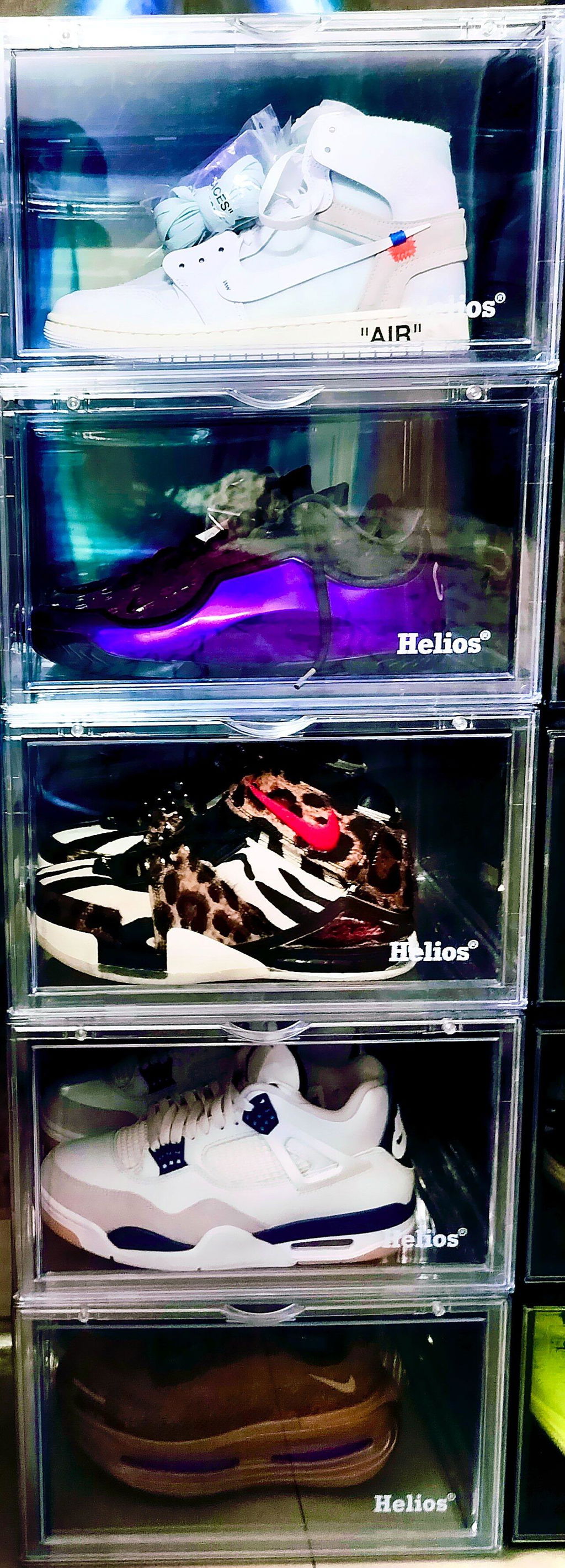
Store pairs in Helios Abode Sneaker Storage Boxes or breathable racks, away from direct sunlight and dust.
When all three layers – outside, inside and storage – are covered, your footwear lasts longer and feels better, and your feet stay happier throughout the day.
Shop Helios Foot Comfort and Shoe Care Essentials
Explore comfort insoles, gel insoles, deodorizers, sneaker cleaners, leather care products and Helios Abode storage boxes on the official website:
 Customized Helios Abode Sneaker Storage Box (Side Drop)
Rs. 5,599.00
Customized Helios Abode Sneaker Storage Box (Side Drop)
Rs. 5,599.00