How To Remove Shoe Odour & Keep Footwear Fresh All Day
Share
Nothing spoils confidence faster than removing your shoes and worrying about how they smell. Gym shoes, office formals, school shoes, sneakers – over time, almost every pair starts to develop odour if not cared for properly.
The mistake most people make? They keep washing the outside of the shoe, while the real problem is trapped inside – in the lining, the insole and the foam.
The good news: you do not need to throw away smelly shoes or overuse harsh chemicals. With a simple Helios-style routine—cleaning, drying, deodorizing and smart storage—you can bring most shoes back to a fresh, wearable state and keep new pairs odour-free from day one.
1. Why Do Shoes Smell In The First Place?
Before fixing the problem, it helps to understand what’s going on inside your footwear.
1.1 Sweat is natural – smell is not
Feet have more sweat glands than almost any other part of the body.
Sweat itself is mostly odourless.
The smell comes when bacteria break down sweat and dead skin.
Closed shoes (especially without breathable socks) create the perfect environment: warm, dark, damp.
1.2 Moisture + bacteria + no ventilation
Shoes start to smell when these three things combine:
Moisture from sweat, rain, or not-dry-after-wash shoes
Bacteria & fungus that love damp fabric and foam
Poor ventilation – shoes stored in closed cupboards, bags or lockers immediately after use
If this cycle repeats daily, odour becomes “permanent” and can even lead to:
Itchy or irritated skin
Fungal infections
Shoes breaking down faster from inside
2. Common Mistakes That Make Shoe Odour Worse
Most people unintentionally do things that trap smell instead of reducing it.
Mistake 1: Wearing the same pair every single day
Shoes never get time to dry completely. Moisture builds up inside, and smell gets stronger week by week.
Mistake 2: Storing shoes in closed cabinets immediately
Putting warm, just-worn shoes straight into a closed cabinet or box locks in humidity and bacteria.
Mistake 3: Wearing shoes without socks
Bare feet in closed shoes transfer more sweat and oils directly into the lining and insole.
Mistake 4: Washing and then not drying completely
Shoes that feel “almost dry” can still hold moisture deep in the foam and lining. That is enough to trigger odour again.
Mistake 5: Only cleaning the outside
Polishing leather or brushing sneakers is good—but if the inside is never deodorized or refreshed, smell will always return.
The solution is a complete routine that treats both the inside and outside of the shoe.
3. Step 1 – Start With a Clean Base
Odour control works best when shoes are reasonably clean.
3.1 Clean the outside
For sneakers and fabric shoes: use a sneaker cleaner with a soft/medium brush and wipe with a microfiber cloth.
For leather shoes: wipe with a damp cloth, then use leather cleaner or cream if needed, followed by polish.
Removing surface dirt reduces bacteria and makes the whole shoe easier to maintain.
3.2 Clean or wipe the inside
Remove insoles if they are removable.
Lightly wipe the inside lining with a damp cloth and a tiny amount of mild soap, then wipe again with clean water (very little – do not soak).
Let the shoes and insoles dry completely before the next step.
You only need to do this deep clean occasionally; the daily routine (below) keeps things under control.
4. Step 2 – Drying: The Most Ignored But Most Important Step
Odour loves moisture. If you fix only one thing, fix this.
4.1 After every wear
Loosen laces or open straps wide.
Remove insoles from sports shoes or sneakers.
Place shoes in a well-ventilated area for at least 30–60 minutes.
4.2 If shoes are damp or sweaty
Gently stuff them with dry paper to absorb moisture and help them keep shape.
Replace the paper if it becomes very wet.
Never dry shoes under harsh sunlight or directly against a heater – this can crack materials and damage glue.
Drying is not glamorous, but it is the foundation of odour control.
5. Step 3 – Use a Proper Shoe Deodorizer
Deodorizing is where you actively tackle smell instead of just masking it.
5.1 Why a dedicated shoe deodorizer is better than “home hacks”
Talcum powder: can clump inside the shoe and create more residue.
Perfume / body spray: only masks smell temporarily, doesn’t treat the source.
Strong disinfectants: may be too harsh for fabrics and glues, and are unpleasant to breathe.
A good shoe deodorizer is designed to:
Neutralize odour-causing bacteria
Leave a light, clean fragrance
Work safely with shoe linings and insoles
5.2 How to use deodorizer effectively
Make sure the shoe is dry or almost dry.
Spray a light, even mist inside the shoe, focusing on:
Toe box
Insole area
Heel area
Let the shoes sit in an open area for a while—do not close them in a cabinet immediately.
For heavily used shoes (gym, running, work boots, school shoes), using deodorizer after each day can make a huge difference.
6. Step 4 – Upgrade Insoles For Comfort & Freshness
Insoles act like sponges: they absorb sweat, impact and odour.
6.1 Signs your insoles are causing the smell
Shoes smell bad even when the outside looks clean
Insoles look dark, flattened or cracked
Smell returns quickly even after basic cleaning
6.2 How better insoles help
Switching to fresh, well-designed insoles can:
Improve airflow under the foot
Offer shock absorption so feet sweat less from fatigue
Use materials that dry faster and hold less odour
Comfort or gel insoles from a good brand make:
Sneakers more comfortable for long days
Work shoes easier on the feet
Sports shoes more supportive and fresh
For very active use, replacing insoles every few months is a small cost for a large comfort and hygiene upgrade.
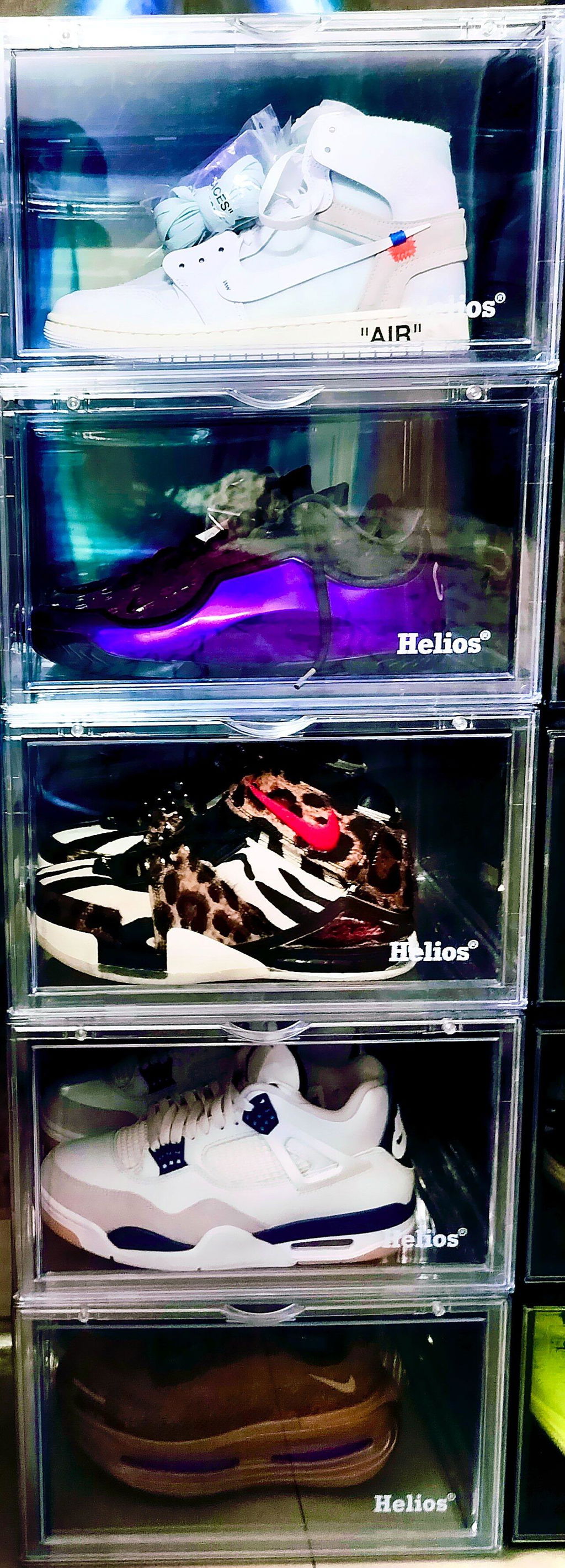
 Customized Helios Abode Sneaker Storage Box (Side Drop)
Rs. 5,599.00
Customized Helios Abode Sneaker Storage Box (Side Drop)
Rs. 5,599.00