Likely need: sports insoles with impact zones + support
Once you know the main issue, choosing becomes simple.
3. Types of Insoles and Who They’re For
3.1 Comfort insoles (everyday use)
Best for: Office, casual shoes, daily walking
These insoles provide medium cushioning and mild support. They’re great if you want:
More softness underfoot
Less fatigue during daily tasks
A comfort upgrade without changing shoe fit too much
If you’re buying your first pair, this category is usually the safest starting point.
3.2 Gel insoles (high-impact cushioning)
Best for: People who stand a lot, walk a lot, or feel heel pressure
Gel insoles typically have:
Extra cushioning in heel and forefoot
Better shock absorption on hard floors
Relief for pressure points
Great for teachers, retail staff, factory workers, hospital staff, and anyone whose day is spent standing or moving.
3.3 Arch support insoles (alignment + stability)
Best for: Flat feet, overpronation, arch pain
Arch support insoles are designed to:
Hold the arch in a healthier position
Reduce strain on feet, ankles and knees
Improve balance and walking alignment
If your shoes wear out unevenly or your feet roll inward, arch support is a strong option.
3.4 Sports performance insoles
Best for: Running, gym, sports shoes
These insoles balance:
Cushioning for impact
Stability for lateral movement
Breathability for sweat control
Ideal for people who train regularly and want shoes to feel more supportive and less tiring over long sessions.
3.5 Slim insoles for formal shoes
Best for: Dress shoes, loafers, office formals
Formal shoes are often tighter. Thick insoles can make them uncomfortable. Slim insoles offer:
Light cushioning
Mild support
Better comfort without making the shoe feel tight
If you wear leather formals all day, this category matters.
4. How To Choose Insoles Based on Shoe Type
Sneakers and casual shoes
Can handle medium-thickness comfort or gel insoles
Best for all-day walking and casual use
Running shoes
Sports insoles or gel + support options work well
Breathability matters a lot
Formal leather shoes
Use slim comfort insoles
Avoid thick gel insoles unless your shoes have extra space
Work shoes and safety shoes
Gel insoles help reduce fatigue on hard floors
Arch support options help long shifts
School shoes (kids)
Comfort insoles help with long school hours
Replace insoles when they flatten, because kids wear them hard
5. Fit Matters More Than Brand
Even a great insole will feel bad if fit is wrong.
5.1 Size and trimming
Most insoles come in a size range with trim lines.
Best method:
Remove the original insole from your shoe (if removable).
Place it on top of the new insole.
Trace the shape and trim conservatively.
Test fit and adjust slightly if needed.
Always cut less first; you can cut more later.
5.2 Check heel position
Your heel should sit properly in the heel cup or heel zone. If the heel floats or pushes forward, the insole may be the wrong size.
5.3 Check toe room
If your toes feel cramped after adding insoles, your insole may be too thick for that shoe.
In that case, move to a slimmer version for that pair.
6. How To Know If Insoles Are Working
A good insole usually shows results quickly:
Less fatigue after long standing
Better comfort in the heel and forefoot
Reduced foot pain during walking
Shoes feel more stable and supportive
However, if you choose strong arch support and you’re not used to it, you may feel mild adjustment discomfort for a few days. That should reduce as your feet adapt. If pain is sharp or increases, stop using and consider a different support level.
7. Insole Hygiene and Replacement (Very Important)
Insoles absorb sweat daily. This affects comfort and smell.
7.1 Basic care
Air out shoes after wear
Remove insoles occasionally and let them dry
Wipe insoles lightly if needed (do not soak)
7.2 Odour control
If shoes smell quickly, pair insoles with:
A shoe deodorizer routine
Rotation between two pairs of shoes
7.3 When to replace insoles
Replace when:
Cushioning feels flat
Heel area looks crushed
Odour persists despite cleaning
The surface fabric peels or tears
For daily wear shoes, replacement every few months is normal if you walk a lot.
8. A Simple “Choose the Right Insole” Shortcut
If you want a fast decision:
Need general comfort: comfort insoles
Heel pain / hard floor fatigue: gel insoles
Flat feet / alignment issues: arch support insoles
Gym/running: sports insoles
Tight formals: slim dress insoles
This shortcut works for most people.
9. Why Helios Insoles Fit Well Into a Complete Foot Care System
A proper foot care routine is not only about insoles—it’s about a complete inside-out shoe system:
Comfort/gel insoles for support
Deodorizer for freshness
Cleaning routine for the outside
Proper storage to keep shoes dry and dust-free
Helios offers insoles and shoe care products that work together, making it easier to build a routine rather than buying random products from different places.
Shop Helios Insoles & Foot Comfort Essentials
Explore comfort insoles, gel insoles, deodorizers, sneaker care products and storage solutions on the official website:
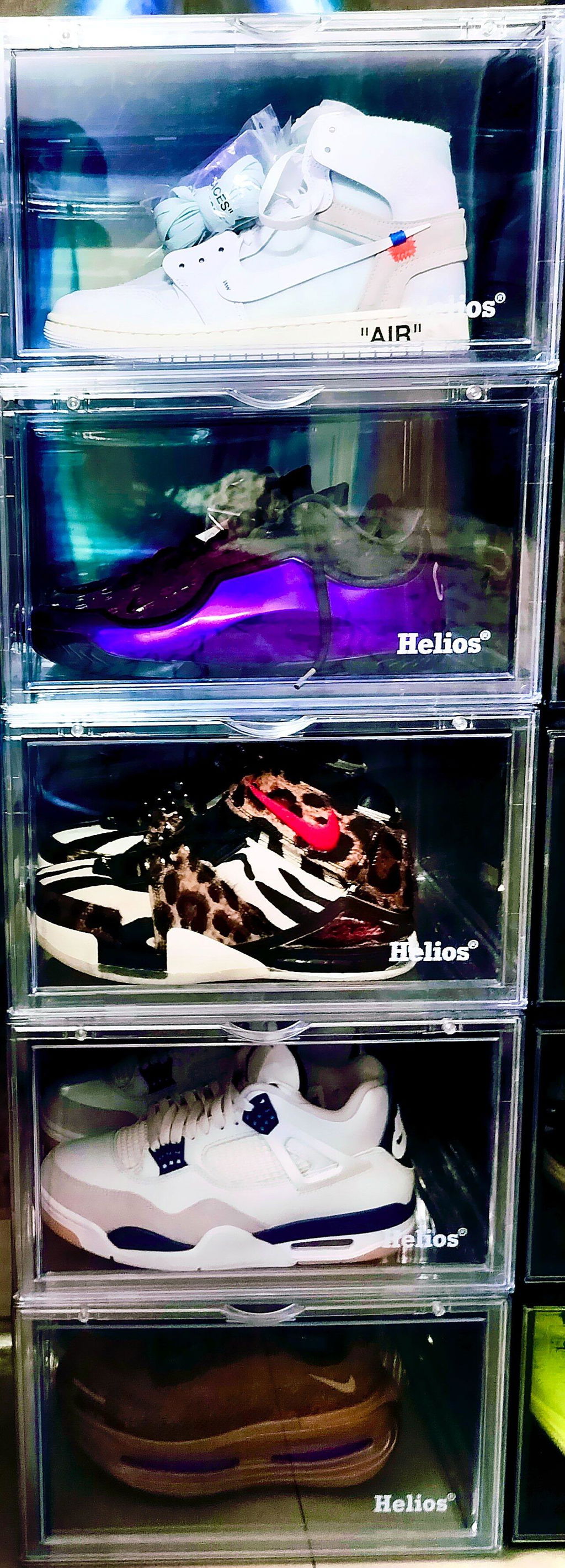
 Customized Helios Abode Sneaker Storage Box (Side Drop)
Rs. 5,599.00
Customized Helios Abode Sneaker Storage Box (Side Drop)
Rs. 5,599.00